


DATA
World population
8.2 billion
people
- Geography
- World
- Period
- 2024
United Nations World Population Prospects 2024, medium-variant estimate for 2024.
A global housing research publication
Where housing has been. Where it is now. Where we're headed.
Explore the forces reshaping housing around the world through data, research, history and independent analysis.
Verified indicators
These figures are drawn from named official sources. There is no invented global median house price, and no unlabeled placeholder statistic.
World population
8.2 billion
people
United Nations World Population Prospects 2024, medium-variant estimate for 2024.
Urban population
57.7%
share of world population
World Bank WDI SP.URB.TOTL.IN.ZS, based on UN World Urbanization Prospects. National definitions of urban areas differ.
People lacking adequate housing
2.8 billion
people
UN-Habitat 2024 Annual Report. 'Adequate housing' is a rights-based concept, not a single dwelling-unit count. Earlier UN-Habitat papers have used a range of 1.6–3 billion.
People in slums and informal settlements
1.1 billion
people
Included within the wider inadequate-housing estimate. Definitions of slums and informal settlements follow UN-Habitat / SDG 11.1 practice.
New units needed per day to 2030
96,000
housing units per day
UN-Habitat estimate of the production pace required to meet adequate-housing needs by 2030. This is a need estimate, not observed construction.
OECD real house prices vs. a decade earlier
+40%
real price change, OECD average
OECD states that real house prices increased by over 40% over the past decade on average across the OECD. This is an average of member countries, not a global median price.
Low-income OECD tenants overburdened
1 in 3
share of low-income tenant households
OECD: on average, one in three low-income tenant households spend over 40% of disposable income on rent. Overburden is higher than half in some countries, including the United States.
Interactive architecture
More than 2.8 billion people live without adequate housing, according to UN-Habitat. That condition includes informal settlements, overcrowding, unaffordable costs, insecurity of tenure, and homelessness. The Housing Future Project treats the world as the starting unit of analysis, then moves through regions, countries, and cities.
Open the World dossierInsights
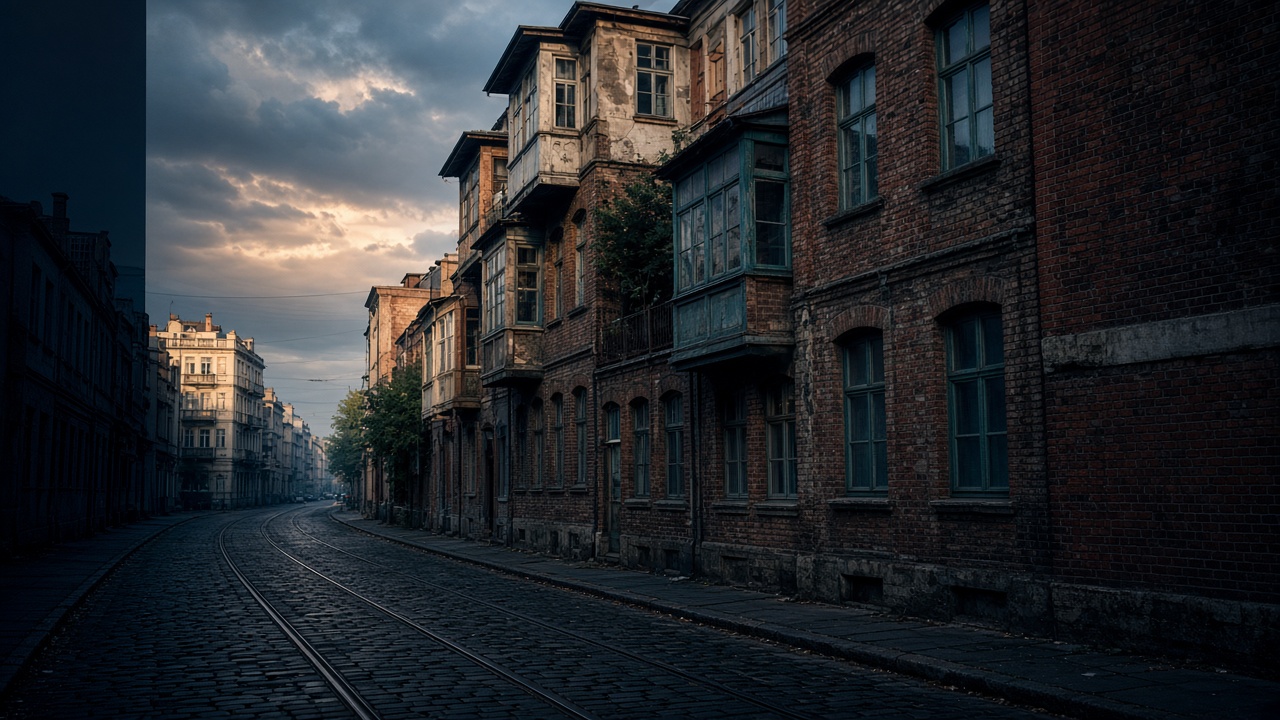
The Past
How we got here: the forces behind today's housing conditions16 September 2026 · 14 min read
News
Source: HM Land Registry · 16 September 2026
Source: Canada Mortgage and Housing Corporation · 16 September 2026
Source: The Guardian · 13 September 2026
Source: Government of the United Kingdom · 17 August 2026
Pages are published only when there is enough sourced material to be useful. Thin location pages are not generated automatically.